

· AFX Research
Wind and Solar Leases Versus the Mineral Estate: Who Wins
A solar array covers the whole surface, and in most states the mineral estate is dominant. What the record shows before a renewables lease gets signed on severed land.
Table of Contents
A landowner is offered a long term lease for a solar project or a wind farm, and the payments look better than anything the ground has produced in a generation. Then somebody asks whether the minerals were severed, and the deal slows down. The reason is not that a mineral owner has any claim to the wind or the sunlight. It is that in most states the mineral owner has rights to use the surface, and a solar array wants all of it. This is the practical edge of the split described in our note on mineral rights versus surface rights.
Wind and sunlight are not minerals
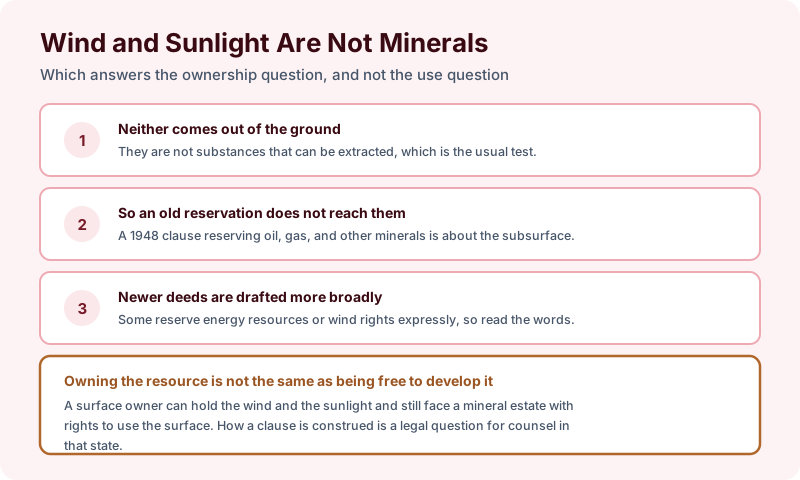
Neither is a substance taken out of the ground, which is the usual test, so an old clause reserving oil, gas, and other minerals is about the subsurface and does not ordinarily reach either resource. The surface owner holds them.
Newer instruments are drafted more broadly. Some reserve energy resources generally, and some address wind rights expressly, which is why the wording of the actual clause matters more than the general position, the point our note on reservation clauses in old deeds makes about every kind of substance.
Owning the resource, though, is not the same as being free to develop it. That is the whole difficulty here.
Why the mineral estate still matters
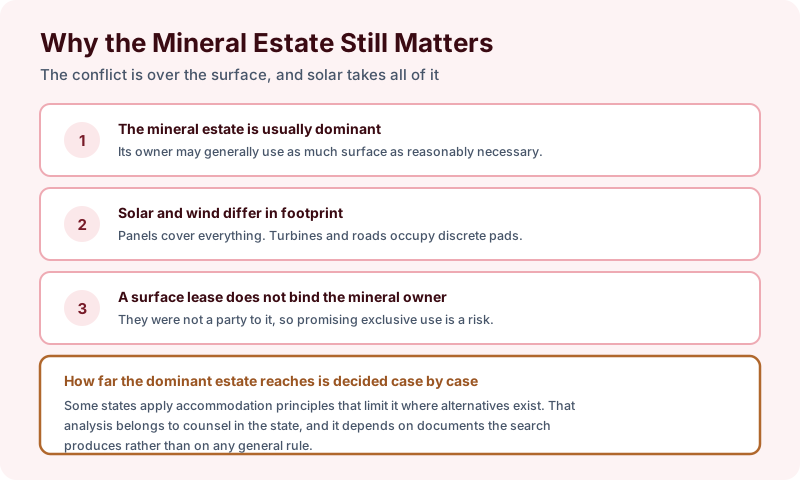
In most states the mineral estate is dominant, meaning its owner may generally use as much of the surface as is reasonably necessary to reach and produce the minerals. A lease of the surface does not change that, because the mineral owner was never a party to it.
Footprint is what makes solar harder than wind. Turbines, pads, and access roads occupy discrete locations, and a layout can often be adjusted around a well site. Panels cover essentially the entire surface, so an operator arriving in year eleven of a thirty year lease has nowhere to go that does not displace revenue.
How far the dominant estate reaches is decided case by case, and some states apply accommodation principles that limit it where the mineral owner has reasonable alternatives. That analysis belongs to counsel in the state, and it depends on the documents a search produces rather than on any general rule.
What the developer will ask for
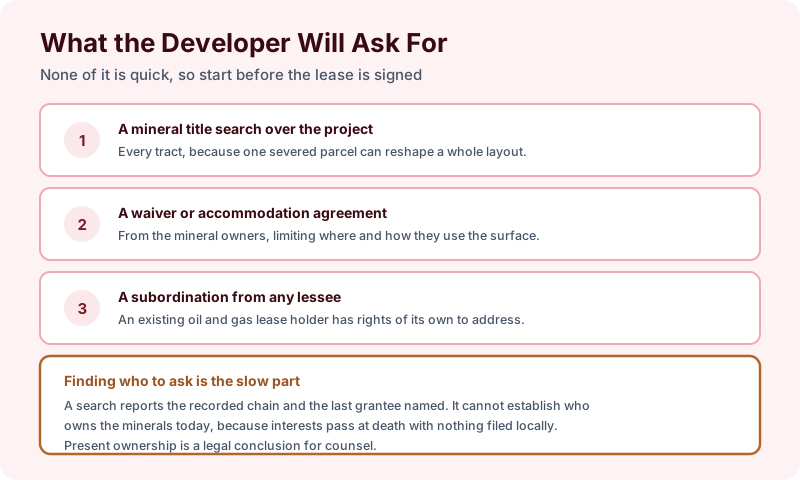
Three things, and none of them is quick. A mineral title search across every tract in the project area, because one severed parcel can reshape a layout. A waiver or accommodation agreement from the mineral owners, limiting where and how they use the surface. And a subordination or accommodation from any existing oil and gas lessee, which holds rights of its own that the mineral owner cannot waive alone.
Finding who to ask is the slow part, and it is the reason this work starts months before signing rather than after. Landowners who receive an offer are in a similar position to those receiving a leasing letter, and the checks in our note on the mineral leasing letter apply here too. Where an operator is already active, the instruments to look for are the ones in our note on surface use agreements and damage payments.
What a search shows and does not
The search reports what was recorded and indexed over the term searched, with copies: the severing instrument and its wording, the recorded chain of the mineral interest, existing oil and gas leases, pooling designations, and any recorded waiver, accommodation, or surface use agreement. Choose a search term long enough to reach the severance. Turnaround is 2 to 3 business days.
It cannot establish who owns the minerals today, because interests pass at death with nothing filed in the county, so the last grantee named is not necessarily the present owner. Present ownership is a legal conclusion belonging in a mineral title opinion written by counsel. It also cannot tell you whether a mineral owner will agree to anything, and it does not report well permits or production, which state regulators hold. Recording practice varies by county, so a clean result reflects the record rather than proving nothing was severed.
The takeaway
Before signing a renewables lease, find out whether the minerals were severed and get the severing instrument, because that answer determines whether a waiver has to be negotiated and with whom. Start the order online, or send us the address and the county and we will tell you which term fits and what a search of that scope would and would not cover before anything is ordered.