

· AFX Research
Selling Your Mineral Rights: What to Check Before You Sign
An offer letter is not the document that conveys. What a mineral deed can take, what to gather from the record first, and what a search cannot tell a seller.
Offers to buy mineral interests arrive by mail, usually with a price, a deadline, and a document already filled out and ready to sign. Some are fair. What almost all of them have in common is that the person who drafted the paperwork knows more about the interest than the person being asked to sign it. Closing that gap is a records exercise, and it starts before any number gets discussed. It is the sale side of the question our note on what a leasing letter tells you covers for leases.
The offer is not the deed
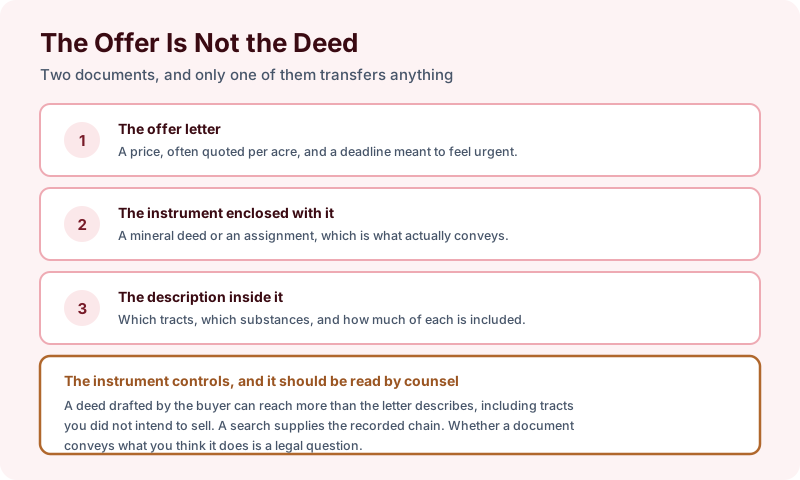
The letter quotes a price, frequently per acre, with a deadline meant to feel urgent. The instrument enclosed with it, a mineral deed or an assignment, is the document that actually conveys, and it governs regardless of what the letter said.
Read the description inside that instrument with care. Which tracts does it cover? Which substances? How much of each? A deed drafted by a buyer can reach further than the letter describes, including other tracts in the same county or a broader class of minerals, and language conveying all interests owned by the grantor in a described section can sweep in interests the seller had forgotten about. Whether a given document conveys what you believe it does is a legal question for counsel, and this is the point in the process where a lawyer earns their fee several times over.
Know what is leaving
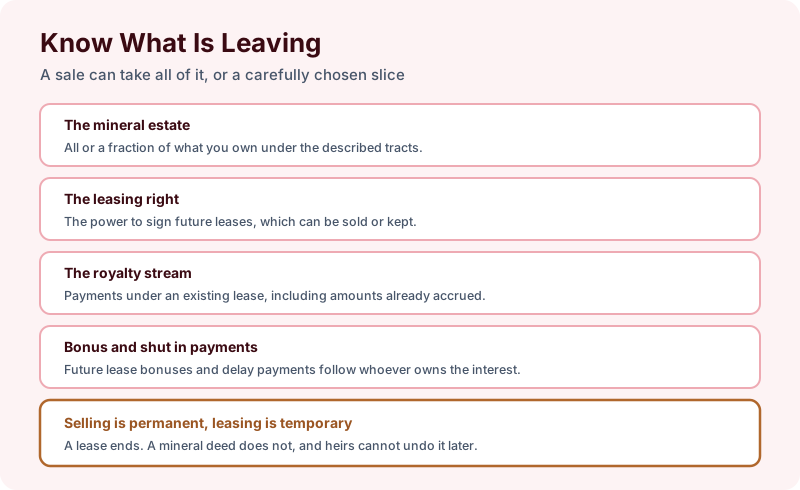
A sale can take everything, or a carefully chosen slice. The mineral estate itself, in whole or in fraction. The executive right to sign future leases, which can be sold or retained. The royalty stream under any existing lease, including amounts already accrued but not yet paid. And future bonus and shut in payments, which follow whoever owns the interest when the next lease is signed.
The distinction that matters most is the simplest one. A lease ends; a mineral deed does not. Selling is permanent, it removes the interest from the family, and heirs cannot undo it later. That is not an argument against selling, which is often the right decision for people who want certainty instead of an unpredictable stream. It is an argument for understanding the difference before signing.
Two structural options are worth knowing about before deciding. An interest can be sold in part rather than in whole, keeping some acreage or some fraction in the family while taking cash for the rest. And a term assignment, conveying an interest for a stated number of years, exists in some markets as a middle path. Whether either fits a particular situation is a question for counsel and a tax advisor, not for a buyer’s letter.
Gather the record first
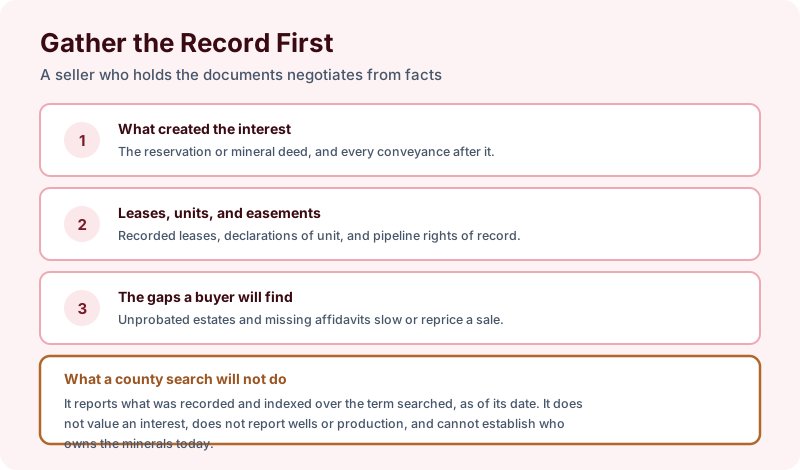
A seller holding the documents is in a materially better position than one working from memory. Three things are worth having.
The instruments that created the interest: the reservation or mineral deed, and every conveyance since, which is where net mineral acres come from. Any recorded lease, declaration of unit, or pipeline easement affecting the tracts. And the gaps, because a buyer’s title work will find an unprobated estate or a missing affidavit and will use it to slow the closing or reprice the deal. Finding it first turns a surprise into a task.
Depth matters, so ask for a term deep enough to reach the severance. Our search terms run 20, 30, and 50 years, and turnaround is 2 to 3 business days.
What a search reports is what was recorded and indexed in that county over the term searched, as of its date, with copies attached. It does not value an interest, and nobody should read a records report as advice about whether a price is fair. It does not report wells or production, which state regulators hold rather than the recorder. And it cannot establish who owns the minerals today, since interests pass at death with nothing filed locally, so present ownership is a legal conclusion set out in a mineral title opinion by counsel.
The takeaway
Gather the recorded chain, have counsel read the instrument rather than the offer letter, and decide with the documents in front of you. A deadline in a letter is a negotiating tactic; the deed is forever. Start the order online, or send us the address and the county and we will tell you which term fits and what a search of that scope would and would not cover before anything is ordered.