

· AFX Research
Saltwater Disposal and Injection Well Agreements in the Record
A disposal well takes produced water from a whole area, which makes it a traffic problem as much as a subsurface one. What is recorded and what sits with the regulator.
Table of Contents
Somebody offers to put a disposal well on your land and the numbers look better than a lease bonus. It is a legitimate arrangement and it is a different proposition from having a producing well, because a commercial disposal site serves an entire area rather than the tract it sits on. Understanding what you are signing means separating the recorded half from the regulated half. The starting frame is surface use agreements and damage payments, scaled up.
What a disposal well needs
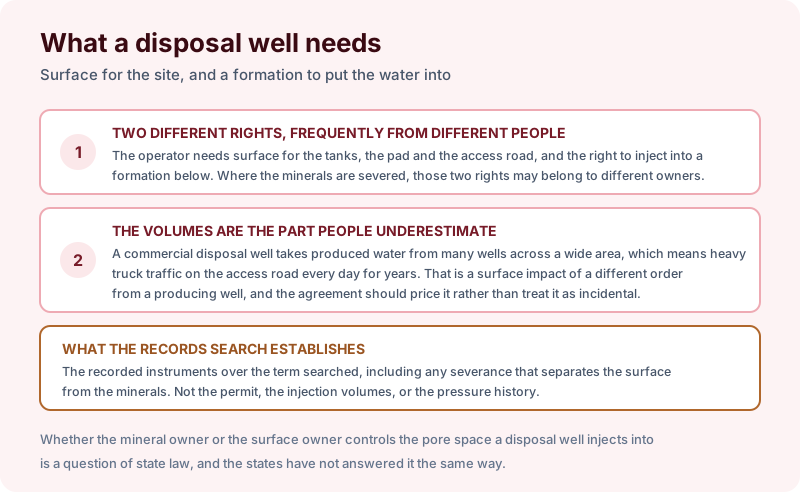
Two different rights are in play and they do not always belong to the same person. The operator needs surface for the tanks, the pad and the access road, and the right to inject into a formation below. Where the minerals have been severed, the surface owner and the mineral owner are different parties, and who controls the pore space being injected into is a question the states have not answered the same way. That is the same underlying issue as pore space and carbon storage rights.
The volumes are the part people underestimate. A commercial disposal well receives produced water trucked in from many wells across a wide area, which means heavy traffic on the access road every day for years rather than the occasional visit a producing well generates. A surface impact of that order should be priced in the agreement rather than treated as incidental, because it is the thing you will actually live with.
A records search establishes the recorded instruments over the term searched, including any severance separating the surface from the minerals. It does not establish the permit, the injection volumes or the pressure history.
Where the paperwork lives
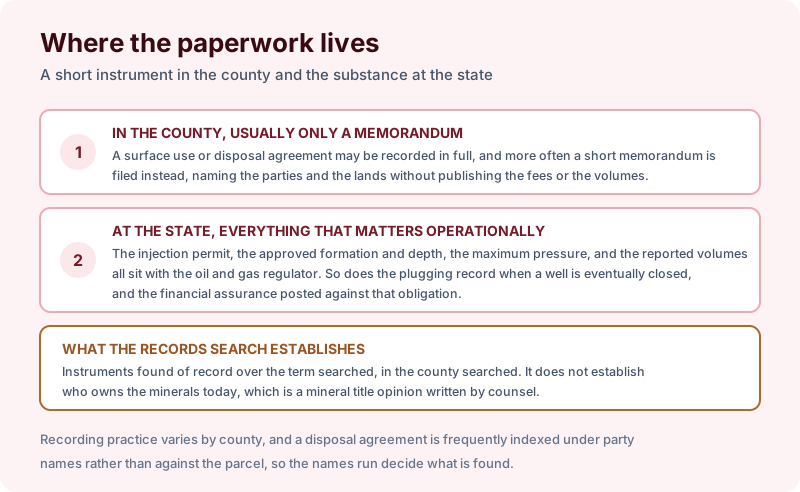
In the county you may find the agreement recorded in full, and more often a short memorandum naming the parties and the lands with the fees and volumes left out. Either establishes that the arrangement exists and roughly what it covers.
At the state sits everything that matters operationally. The injection permit, the approved formation and depth, the maximum permitted pressure, the reported volumes, the plugging record when the well is eventually closed, and the financial assurance posted against that plugging obligation.
Recording practice varies by county, and a disposal agreement is frequently indexed under party names rather than against the parcel, so the set of names run decides what turns up.
What to check before signing
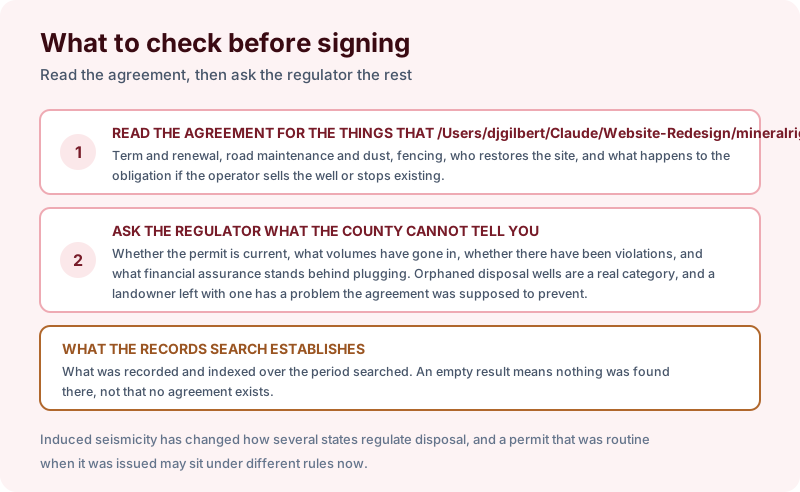
Read the agreement for the things that outlast the signing. Term and renewal, road maintenance and dust control, fencing, who restores the site at the end, and what happens to the obligation if the operator sells the well or stops existing.
Ask the regulator for the rest. Whether the permit is current, what volumes have actually gone in, whether there have been violations, and what financial assurance stands behind the plugging. Orphaned disposal wells are a real category and a landowner left holding one has exactly the problem the agreement was meant to prevent.
Two clauses deserve particular attention because they are where these agreements differ from a lease. The first is assignment. A disposal well is an asset that gets bought and sold, and an agreement that lets the operator assign freely without your consent means your counterparty can become a company you have never heard of. The second is abandonment. If the agreement simply ends when injection stops, and the tanks and the pad stay where they are, the restoration obligation may have expired along with the term.
Worth knowing as background is that induced seismicity has changed how several states regulate disposal over the past decade. A permit that was routine when issued may now sit under different rules, with volume limits or shut-in requirements attached.
The takeaway
Treat a disposal agreement as a long term surface arrangement with a subsurface component rather than the other way round, because the traffic and the restoration are what you will deal with. Establish whether the minerals are severed before assuming you control the formation, read the end-of-life clauses closely, and get the permit history from the state. Present ownership of a severed mineral interest remains a title opinion rather than a search result. Start the order online, or send us the address and the county and we will tell you which term fits and what a search of that scope would and would not cover before anything is ordered.