

· AFX Research
Mineral Rights on Allotted and Restricted Land, in Brief
Why trust and restricted title sits outside the county index, where those records are actually kept, and what a county mineral search can usefully establish near a reservation.
Table of Contents
A mineral search normally begins and ends at the county recorder. On and around reservation land that assumption breaks, because a great deal of the title never went into the county index at all. If you have inherited an interest, received a leasing letter, or are buying land in checkerboard country, the first useful thing to establish is not who owns the minerals. It is which system of records the parcel belongs to.
Trust title is not county title
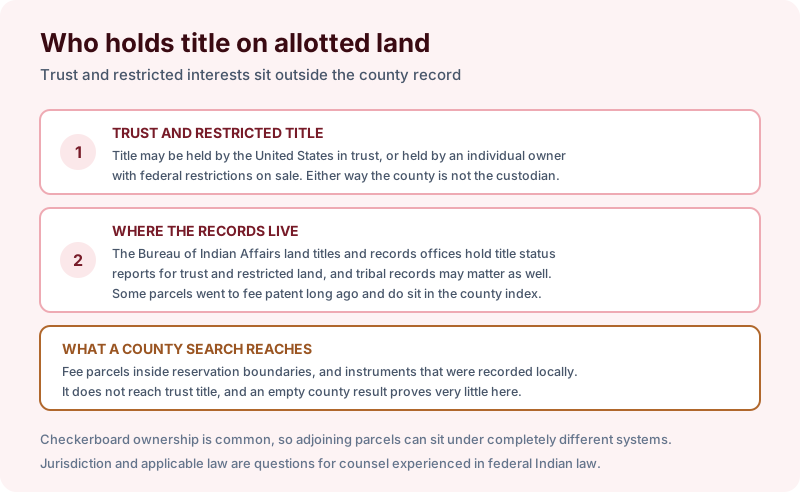
Land allotted to individual owners under the nineteenth century allotment statutes generally fell into one of two conditions and largely stays there. Trust land is held by the United States in trust for the beneficial owner. Restricted fee is held by the owner directly, with federal restrictions on selling or encumbering it. In both cases the county recorder is not the custodian of title.
The records live with the Bureau of Indian Affairs land titles and records offices, which issue title status reports for trust and restricted property, and tribal records can matter as well. Some allotments did pass to unrestricted fee through patents issued long ago, and those parcels do sit in the county index like any other land.
The result on the ground is a checkerboard. Two adjoining tracts that look identical from the road can sit under completely different systems of record, which is why the status question has to be settled before a search is scoped at all. It is a sharper version of the point made in federal split estate mineral rights, where surface and minerals answer to different offices.
Leasing works differently too
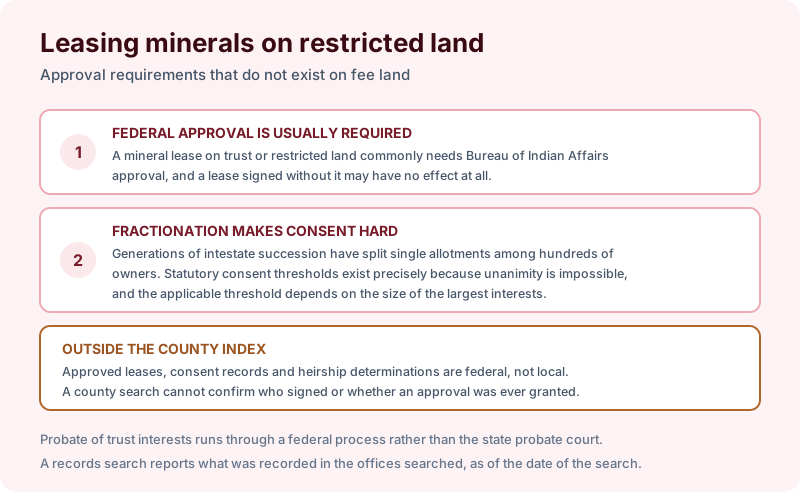
A mineral lease on trust or restricted land commonly requires Bureau of Indian Affairs approval. A lease signed without it may have no effect at all, which is a very different situation from a fee mineral lease, where the signature of the owner is generally what matters. If you hold an interest and a landman has sent you a lease, that approval requirement is the first thing to raise with counsel.
Consent is the harder problem. Generations of intestate succession have split single allotments among dozens or hundreds of owners, so fractionation has reached a point where a single tract may have more owners than acres. Statutory consent thresholds exist precisely because unanimity is impossible, and which threshold applies depends on the size of the largest interests. The arithmetic resembles net mineral acres and fractional interests, but the consent rules on top of it have no fee land equivalent.
Probate compounds it. Trust interests pass through a federal process rather than through the state probate court, so an heir searching the county for an ancestor’s estate will find nothing and conclude wrongly that nothing exists. Anyone who has been told the family once held an allotment should treat a blank county result as the beginning of the inquiry rather than the end of it, which is the same caution that applies to inherited mineral rights generally.
What a county search is still good for
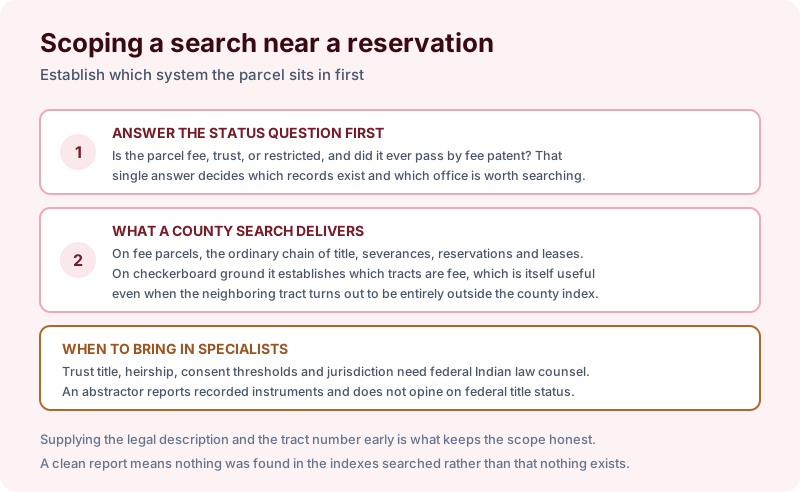
On fee parcels, everything it is normally good for. The chain of title, severances, reservation clauses in old deeds, recorded leases, and any assignments. On checkerboard ground it also establishes which tracts are fee and which are not, and that is genuinely useful information even when the answer for a given tract is that the records are held elsewhere.
What it cannot do is reach trust title, confirm who signed a federally approved lease, or establish heirship. Those answers come from the federal offices that hold them, and asking the county for them produces a confident silence rather than a useful negative. An empty county result on restricted land proves very little, and a report that did not say so would be misleading. Recording and indexing practice varies by county in the ordinary way, and on top of that sits a jurisdictional question that belongs to counsel experienced in federal Indian law.
The takeaway
Establish the status of the parcel first, because it determines which office holds the answer. Where the land is fee, an ordinary mineral search does the work. Where it is trust or restricted, the county is the wrong building, and an abstractor reporting recorded instruments should say so rather than imply coverage it does not have. Order the search today, or send us the legal description and the county and we will tell you what a search of that scope would and would not cover before anything is ordered.