

· AFX Research
Mineral Rights in a Bankruptcy, and What the Record Shows
A severed mineral interest is property of the estate whether or not anybody scheduled it. Where the case file sits, why the county index never flags it, and what to pull.
Table of Contents
Mineral interests turn up in bankruptcies constantly, and they are among the assets most likely to be overlooked. They produce no income for years at a stretch, they are easy to forget you own, and a fractional interest inherited through two estates may not appear on anybody’s list of belongings. What happens to one in a case, and whether the county record will ever tell you, are two separate questions. The starting point is the same as in quiet title actions and mineral interests, which is that the land record and the courthouse file are different places.
A mineral interest in the estate
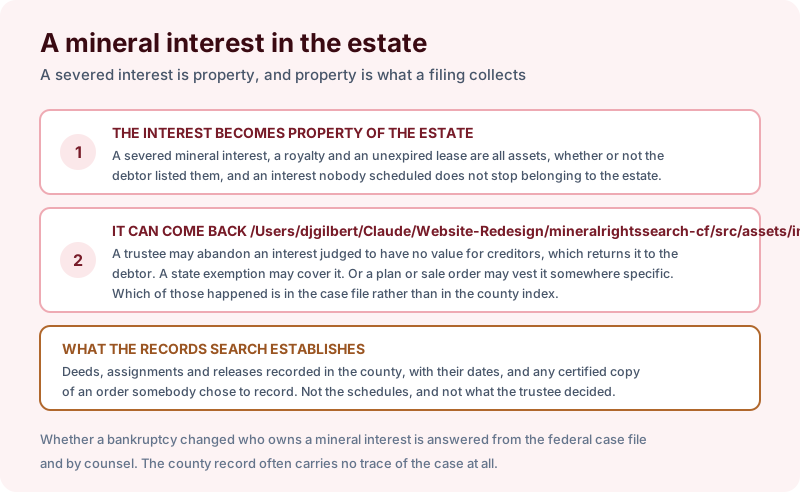
A severed mineral interest, a royalty and an unexpired lease are all property. When somebody files, those become property of the estate whether or not the debtor listed them, and an interest nobody scheduled does not stop belonging to the estate by virtue of being forgotten.
It can come back out again, in three ways. A trustee may abandon an interest judged to have no realizable value for creditors, which returns it to the debtor. A state exemption may cover it. Or a confirmed plan or a sale order may vest it somewhere specific.
Which of those happened sits in the federal case file rather than in the county index. What a records search establishes is the deeds, assignments and releases recorded in the county with their dates, plus any certified copy of an order that somebody chose to record. Not the schedules, and not what the trustee decided.
Where the interest ends up
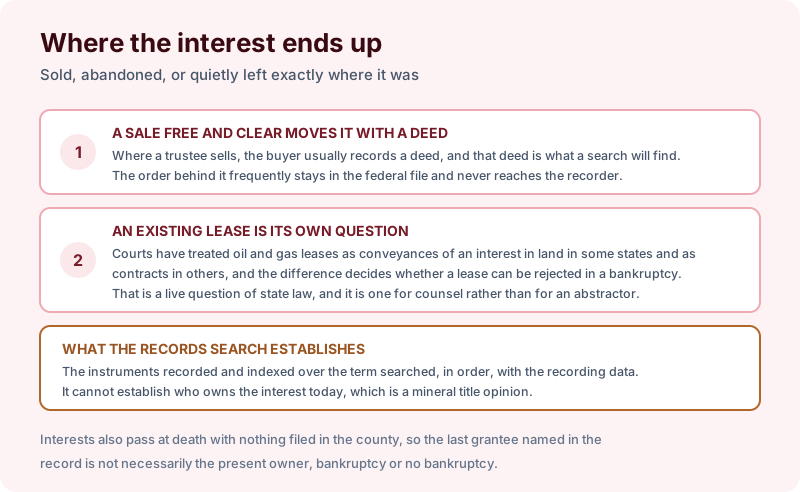
Where a trustee sells, the buyer usually records a deed and that deed is what a search will find. The order behind it frequently stays in the federal file and never reaches the recorder, so the deed’s recitals are the whole of the local evidence.
An existing lease is its own question and a genuinely unsettled one. Courts have treated an oil and gas lease as a conveyance of an interest in land in some states and as a contract in others, and that difference decides whether the lease can be rejected in a bankruptcy. It is a live question of state law and it belongs to counsel, not to an abstractor. What it means practically is that a lease you assumed was safe may not be, depending entirely on where the tract sits.
The limits of the search apply with their usual force. It reports what was recorded and indexed over the term searched, in order, with the recording data. It cannot establish who owns the interest today, which is a mineral title opinion written by an attorney, and interests pass at death with nothing filed locally regardless of any bankruptcy.
Reading the chain around it
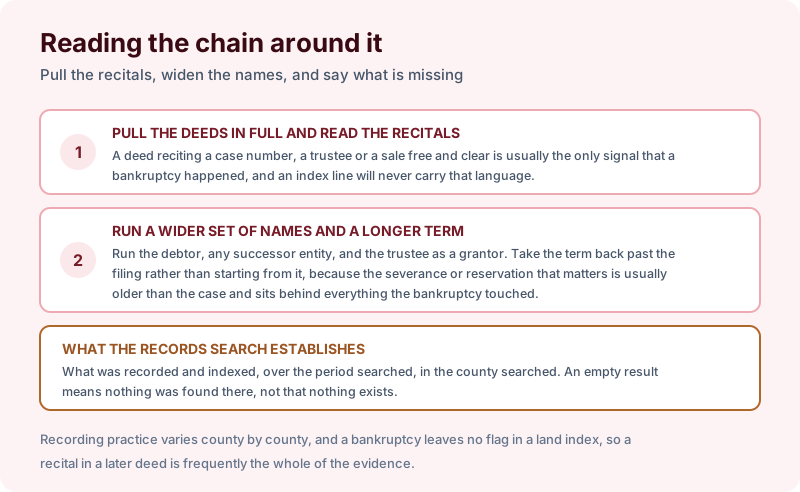
Pull the deeds in full and read the recitals. A deed referring to a case number, a trustee, or a sale free and clear is usually the only signal that a bankruptcy happened at all, and an index line will never carry that language.
Run a wider set of names and a longer term. The debtor, any successor entity, and the trustee as a grantor. Take the term back past the filing rather than starting from it, because the severance or reservation that actually decides ownership is generally older than the case and sits behind everything the bankruptcy touched. That is the same reasoning behind reading reservation clauses in old deeds rather than recent conveyances.
Then say what is missing. Recording practice varies county by county, a bankruptcy leaves no flag in a land index, and an empty result means nothing was found in the indexes searched over the period searched.
The takeaway
If a chain shows a distressed transfer, a trustee as grantor, or a gap where an interest changed hands without an obvious sale, treat it as a signal to widen rather than a place to start reading from. Get the deeds in full, look for a case number, and put the legal questions about rejection and abandonment in front of counsel. Present ownership remains a title opinion in every case. Start the order online, or send us the address and the county and we will tell you which term fits and what a search of that scope would and would not cover before anything is ordered.