

· AFX Research
Mineral Rights and a Mortgage on the Land, What Is Covered
Whether a mortgage reaches the minerals, what a severance recorded before the loan does to the lender, and why an operator asks the bank for a subordination before drilling.
Table of Contents
The question comes up from both directions. A landowner about to sign an oil and gas lease wants to know whether the bank has a say. A buyer reading a chain wants to know whether the deed of trust recorded in 1998 swept up the mineral estate along with the farm. Both are really asking the same thing, which is what a mortgage attaches to, and the answer turns on the wording of the instrument and on the order in which things were recorded. It sits close to what a mineral leasing letter should make you check, and it is worth getting straight before signing anything.
Does the mortgage reach the minerals
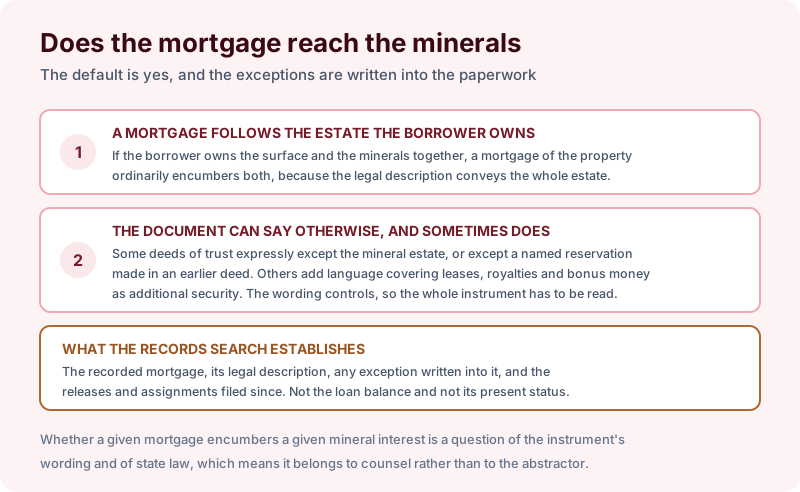
Start with the default. A mortgage encumbers the estate the borrower owns. Where the borrower holds the surface and the minerals together, which is the unsevered case, a mortgage of the property ordinarily takes both, because the legal description conveys the whole thing and nothing carves anything out.
The document can say otherwise, and often does. Some deeds of trust expressly except the mineral estate. Some except a reservation made in a named earlier deed, which is really just acknowledging a severance that already happened. Others go the opposite way and add language covering oil and gas leases, royalties and bonus payments as additional security, which matters a great deal to anybody planning to lease.
None of that is knowable from an index line. The instrument has to be read in full, and a search over an adequate term will produce the recorded mortgage, its legal description, any exception written into it, and the releases and assignments filed since. What the mortgage means, legally, is a question for counsel.
When the minerals were already severed
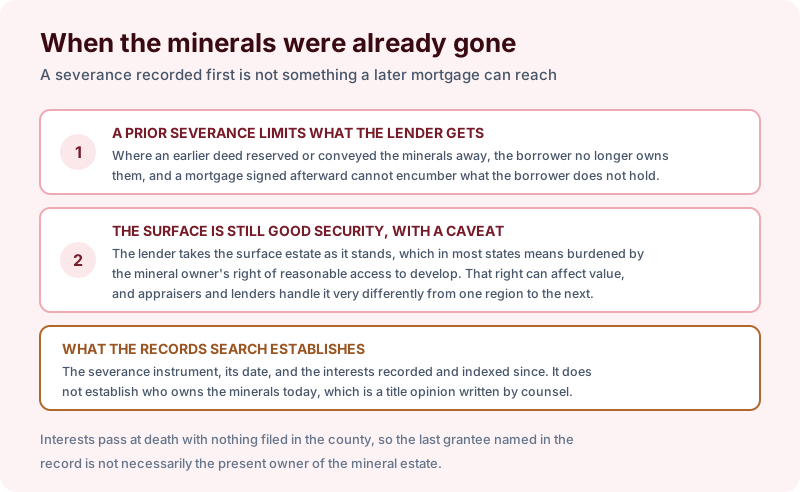
If an earlier deed reserved the minerals or conveyed them to somebody else, the borrower does not own them, and a mortgage signed afterward cannot encumber what the borrower does not hold. The lender gets the surface estate and whatever else the borrower actually had.
That is not nothing, but it comes with the burden every surface owner in a split estate carries. In most states the mineral estate is dominant, meaning the mineral owner has a right of reasonable access to develop, and that right runs against the surface whoever holds the note. Lenders and appraisers treat that exposure very differently from one region to the next.
Here the limits of a records search matter. A search establishes the severance instrument, its date, and the interests recorded and indexed since. It does not establish who owns the minerals today. Interests pass at death with nothing filed in the county, so the last grantee named in the record is frequently not the present owner, and present ownership is a mineral title opinion written by an attorney rather than anything an abstractor can supply.
Leasing land that already carries a mortgage
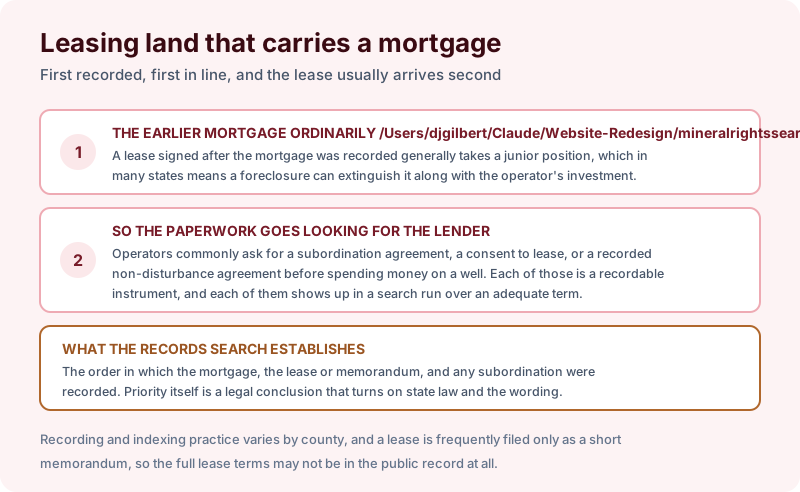
This is the practical version of the question, and it is why landmen ask for a payoff statement. A lease signed after the mortgage was recorded generally takes a junior position. In many states that means a foreclosure can wipe the lease out, taking the operator’s investment with it, which is a risk nobody wants to carry into a drilling program.
So the paperwork goes looking for the lender. Operators commonly ask for a subordination agreement, a consent to lease, or a recorded non-disturbance agreement before committing money. Each of those is recordable, and each shows up in a search run over a long enough term. When you see one in a chain, it usually tells you a well was being contemplated around that date.
What the search gives you is the sequence, which is the factual half of the question. Priority itself is a legal conclusion that depends on state law and on what the documents say. It is also worth remembering that leases are frequently recorded only as a short memorandum, so the full terms may never have reached the public record at all.
The takeaway
Before signing a lease on mortgaged land, read the mortgage and talk to the lender rather than assuming the bank has no interest in it. Before relying on a mortgage as security over minerals, confirm the borrower actually owned them when the loan closed. An old severance frequently sits behind the reach of a shorter term, so match the search package to the question, and treat present mineral ownership as an opinion rather than a search result. Start the order online, or send us the address and the county and we will tell you which term fits and what a search of that scope would and would not cover before anything is ordered.