

· AFX Research
An Oil and Gas Lease Versus a Mineral Deed: The Difference
One rents the right to drill for a term. The other sells the mineral estate permanently. How to tell which is which in the record, and why the granting language decides it.
Table of Contents
Someone knocks, papers get signed at the kitchen table, and years later nobody in the family is sure what happened. Did great grandfather lease the minerals for a few years, or sell them outright? The two documents are recorded in the same index, arrive from the same kind of company, and are frequently confused, but they do opposite things. One expires. The other does not. If you are still working out whether the minerals under your parcel were ever separated, start with mineral rights versus surface rights.
Two instruments, two outcomes
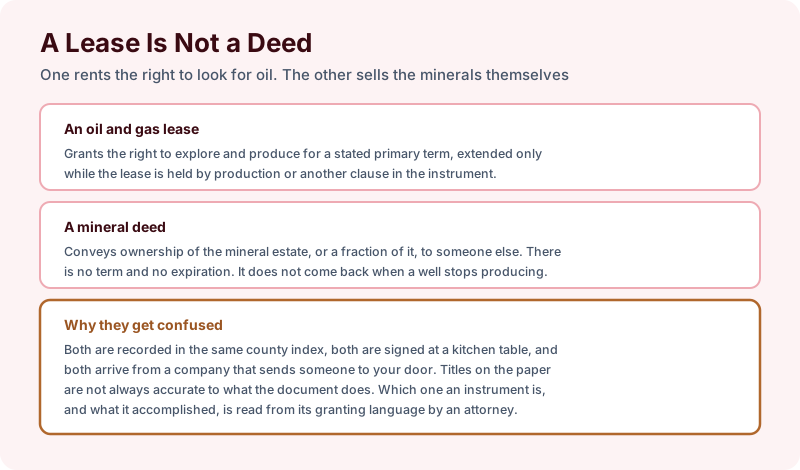
An oil and gas lease grants a company the right to explore for and produce oil and gas for a stated primary term, typically three to five years, continued after that only if the lease is held by production or by another clause in the instrument. The owner keeps the minerals throughout. When the lease ends, the rights revert.
A mineral deed conveys ownership of the mineral estate, or a stated fraction of it, to somebody else. There is no term and nothing expires. It does not come back when a well stops producing, and the family no longer owns what was conveyed.
The reason the two get mixed up is that everything around them looks alike, and the label on the paper is not always a reliable guide to what the document does. Which one an instrument is, and what it accomplished, is read from its granting language, and that reading is legal work rather than records work.
The practical stakes are simple to state. If the family leased, the interest is still theirs and a new leasing campaign is a negotiation. If the family sold, there is nothing to negotiate, and a letter offering to lease may be addressed to the wrong people entirely.
What a lease actually creates
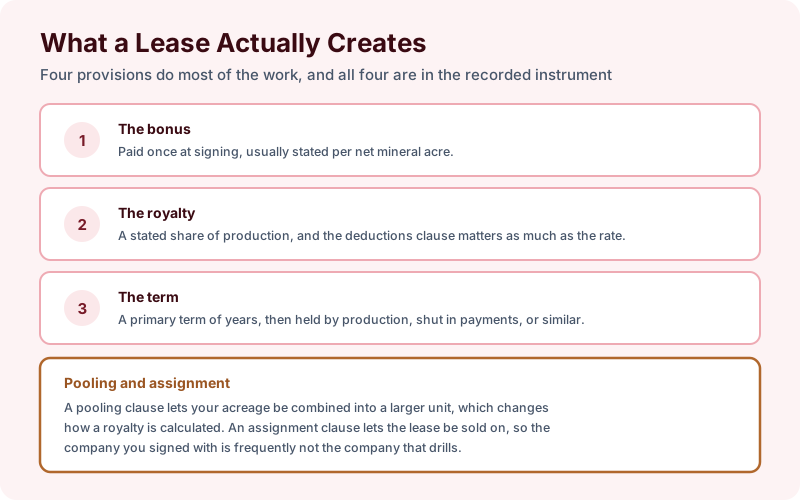
Four provisions carry most of the value. The bonus, paid once at signing and usually quoted per net mineral acre. The royalty, a share of production where the deductions clause matters as much as the stated rate. The term, meaning the primary years plus whatever keeps the lease alive afterward. And the pooling and assignment clauses, which let your acreage be combined into a larger unit and let the lease be sold on, so the company that drills is often not the company you signed with.
All of that sits in the recorded instrument. The types of mineral rights page covers the related interests that get carved out along the way, including royalty interests and executive rights.
Telling them apart in the record
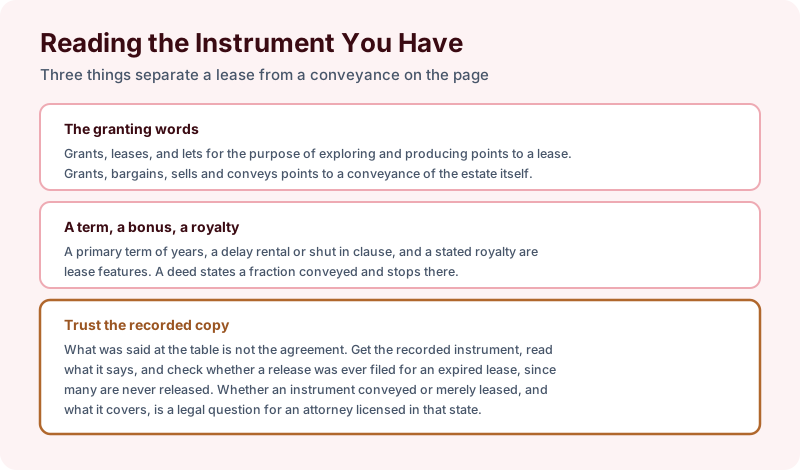
The granting words are the first tell. Language that grants, leases, and lets a tract for the purpose of exploring and producing describes a lease. Language that grants, bargains, sells and conveys an interest describes a conveyance of the estate itself. A primary term, a delay rental or shut in clause, and a stated royalty are lease features; a deed usually states a fraction and stops.
The second tell is what came after. Expired leases are frequently never released, so an old lease can sit in the index looking active for decades. A recorded release, or its absence, is part of the picture. Assignments matter too, since a lease that changed hands four times leaves a paper trail naming each successive operator, and that trail is usually how you find out who to call today.
A mineral rights search pulls these instruments with their recording dates, books, and pages, and attaches copies so the granting language can be read rather than paraphrased. It reports what was recorded and indexed in that county over the term searched, and depth matters here, because a severance or a lease from the 1940s sits outside a short term entirely. What the record cannot settle is present ownership, since interests pass at death with nothing filed locally, and it does not report production or well permits, which state regulators hold rather than the county recorder. Recording and indexing practice varies by county, and an empty result reflects the record rather than proving nothing exists.
The takeaway
A lease rents time and a deed sells the estate. Get the recorded instrument, read the granting clause and the term, check whether any release was filed, and take the wording to an attorney licensed in that state before acting on it. Start the order online, or send us the address and the county and we will tell you which term fits and what a search of that scope would and would not cover before anything is ordered.